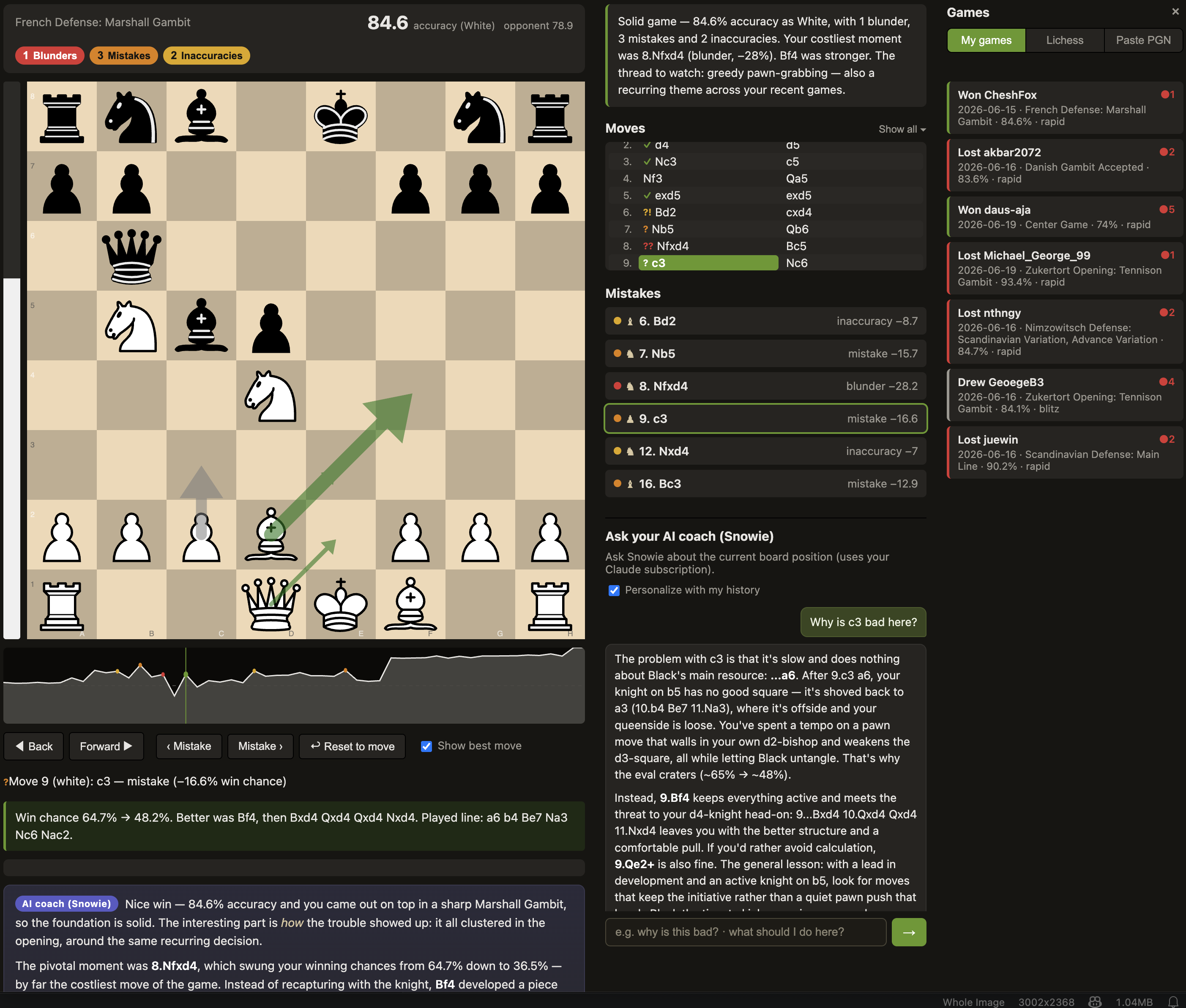
A chess coach you can actually talk to, grounded in real Stockfish lines instead of guesses. It reviews any game (Lichess, Chess.com, or any PGN), flags your inaccuracies, mistakes, and blunders, then explains them in plain words. It also has a puzzle-training mode with rated tactics and coached explanations, including puzzles built from your own blunders. It runs both as an MCP server inside Claude Code and as an interactive web board with an eval bar, win graph, move arrows, and an in-browser AI coach. Project website: https://chess-analysis-mcp.github.io/tintins-chess-analysis/
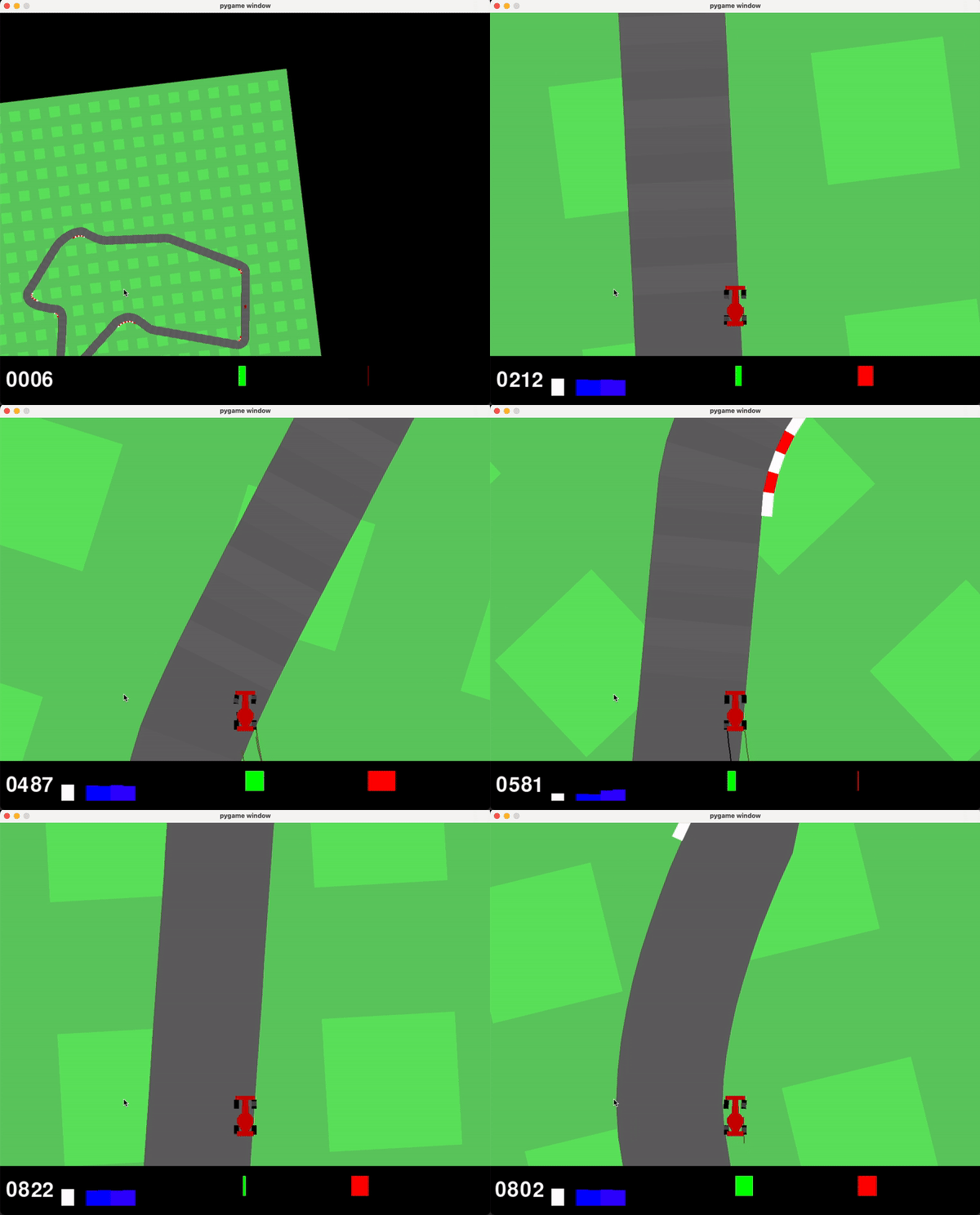
Explored Reinforcement Learning techniques to optimize virtual car racing performance in the Gymnasium CarRacing environment. Employed Deep Q-Networks (DQN) and Proximal Policy Optimization (PPO) models, enhanced with reward augmentations, demonstrating the impact of architectural choices and training methodologies on achieving high-speed, stable racing behavior.
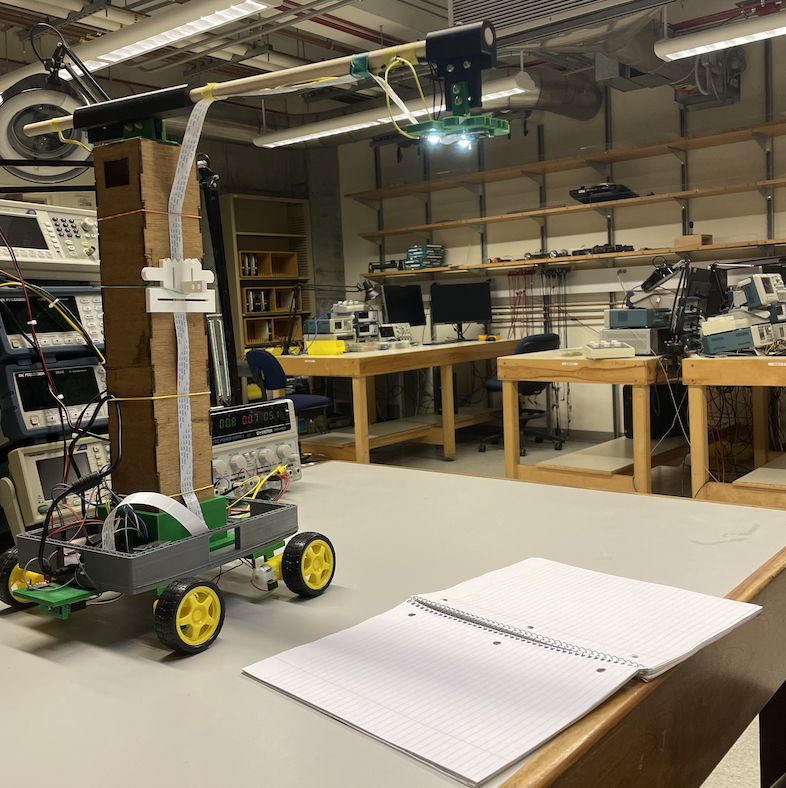
DC-powered lamp that uses computer vision to detect notebooks, stop, and turn the lights on. The lamp uses a Raspberry Pi and a TensorFlow Lite model that we trained. Each part was specially modeled and 3D printed or laser cut.
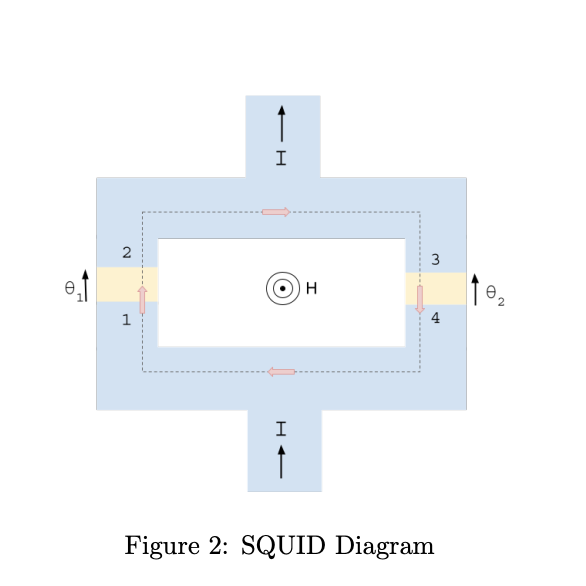
Derived the equations governing Superconducting Quantum Interference Devices (SQUIDs) starting from Maxwell’s and Schrödinger’s equations. The derivations were simplified from advanced graduate references down to an undergraduate level, culminating in a theoretical magnetic field sensitivity of about 10 picotesla.
Used transfer learning and lottery ticket hypothesis pruning to create an optimal heavy neutral lepton classification neural network. For this project I was part of the Excellence Research Internship Program at EPFL.
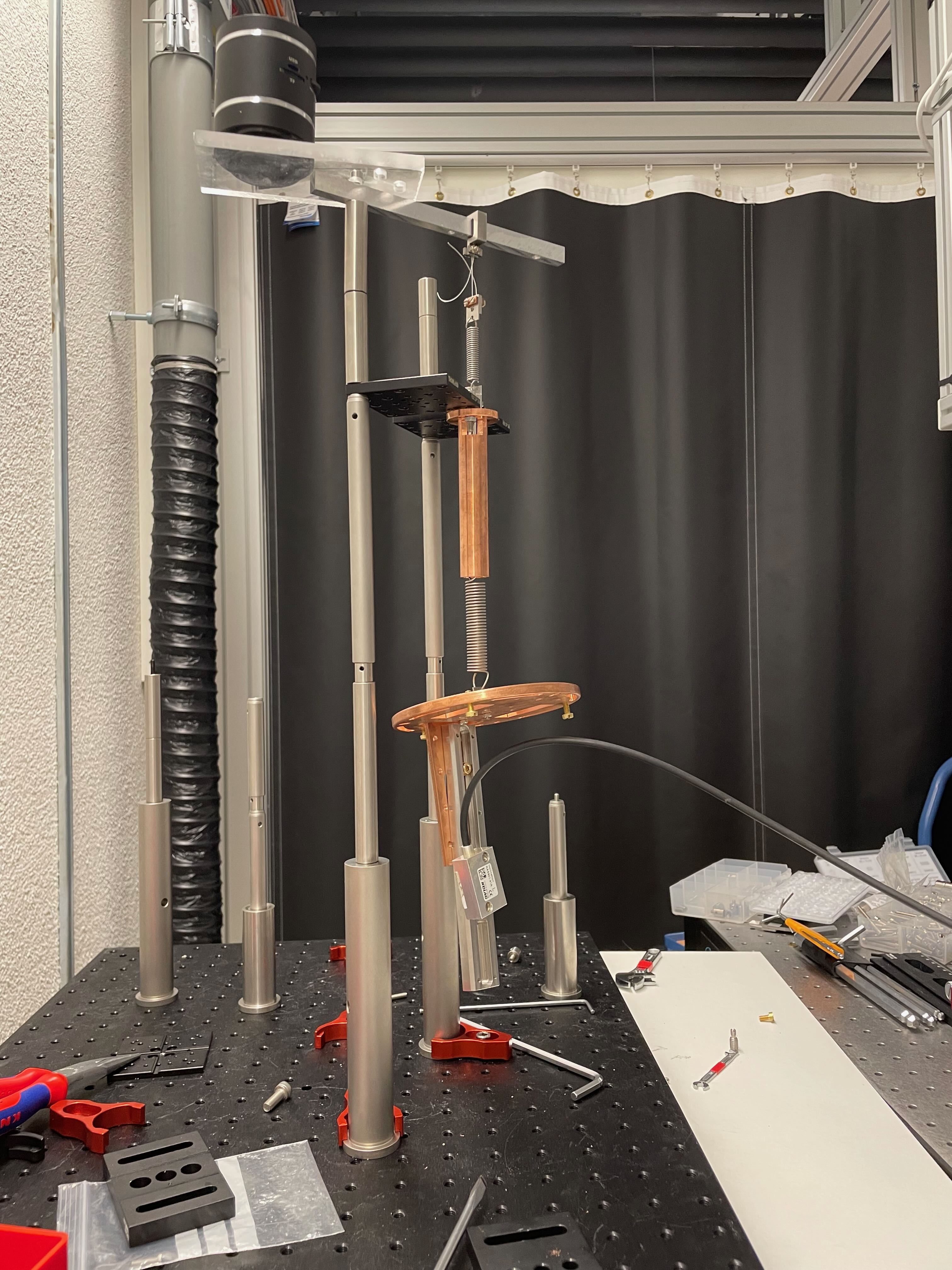
During my summer internship at the HYQU laboratory at ETH Zürich, I developed a stabilization system for a Cryostat Fabry-Perot interferometer experiment. This involved deriving differential equations for amplitude attenuation and designing an optimal system using pendulums, springs, and eddy current dampers.